
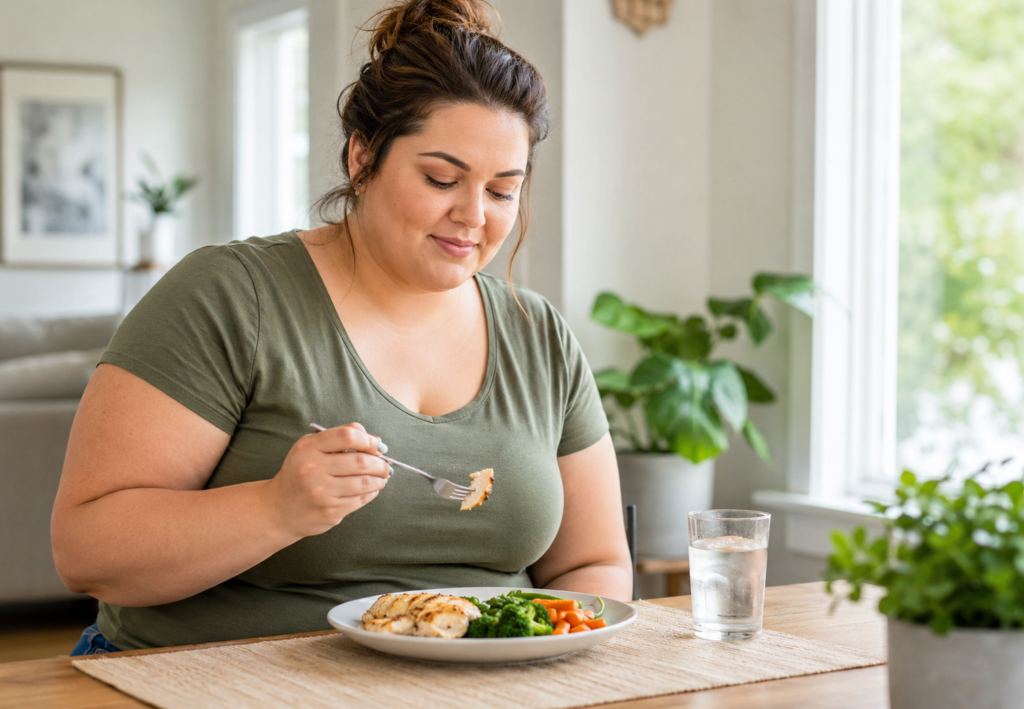
Starting a treatment can bring changes to your everyday routine, including how you think about meals. Some people notice differences in appetite, fullness, digestion, or how certain foods feel during treatment.
Eating habits are only one part of the overall experience, but paying attention to them may make it easier to recognize patterns. Portion size, meal timing, eating speed, hydration, and food choices can all influence how comfortable you feel after eating.
There is no single eating routine that works for everyone. Individual needs vary, and any significant or persistent concerns should be discussed with your licensed provider.
What Is Treatment Tolerance?
Treatment tolerance refers to how a person manages a treatment and the experiences that may occur while using it.
Depending on the treatment and individual circumstances, changes in appetite or digestive comfort may occur. Your health history, eating habits, activity level, and other personal factors can also influence how you feel.
Rather than comparing your experience with someone else’s, focus on your own patterns and communicate meaningful changes to your care team.
Why Eating Habits Deserve Attention
Everyday eating behaviors can affect how you feel before, during, and after a meal.
Some habits worth observing include:
- Eating large portions at one time
- Eating very quickly
- Going long periods without eating
- Frequently choosing rich or heavy meals
- Drinking large amounts of fluid with meals
- Eating shortly before lying down
You do not necessarily need to avoid these behaviors completely. The idea is to recognize whether any of them repeatedly coincide with discomfort.
Can Portion Size Affect Comfort?
A portion that felt normal before treatment may occasionally feel different afterward, particularly if your appetite changes.
Large meals may contribute to uncomfortable fullness for some people. Starting with a smaller portion can make it easier to assess how hungry you are before deciding whether you want more.
This approach is about awareness rather than strict portion control. Your body still needs appropriate nutrition, so substantial changes in how much you eat should be discussed with your licensed provider.
Why Eating Slowly May Help
It takes time to recognize the physical sensations associated with fullness. When you eat quickly, you may finish a meal before noticing that you have had enough.
Consider slowing your pace by taking smaller bites, chewing thoroughly, and allowing more time for meals.
Removing distractions occasionally may also help. Eating while working or scrolling through your phone can make it harder to pay attention to how your body feels.
Eating Habits at a Glance
The following table provides practical examples of eating behaviors you can observe during treatment.
| Eating Habit | What You Might Notice | Simple Approach |
| Large portions | Uncomfortable fullness | Begin with a modest serving |
| Fast eating | Fullness becomes noticeable late | Slow down and take smaller bites |
| Rich meals | Some foods may feel heavier | Try smaller servings and observe |
| Irregular meal timing | Hunger levels may vary widely | Consider a more consistent routine |
| Large drinks with meals | Increased feelings of fullness | Spread fluids throughout the day |
| Late meals | Digestive comfort may change | Observe whether earlier meals feel different |
These suggestions are general and are not a substitute for individualized guidance from your licensed provider.
Pay Attention to Rich or Heavy Meals
Fried foods, creamy sauces, rich desserts, and other high-fat foods may feel different for some people during treatment.
This does not mean they automatically need to be removed from your diet.
Instead, pay attention to portions and preparation methods. You might notice that a smaller amount feels more comfortable or that baked, grilled, or lightly prepared foods fit your routine better.
Avoid labeling foods as universally “good” or “bad.” Your overall eating pattern matters more than one meal.
Make Hydration Part of Your Routine
Fluid intake can sometimes be overlooked when appetite changes.
Keeping water nearby and drinking periodically throughout the day can make hydration easier to remember. Some people may prefer smaller amounts more frequently rather than consuming a large volume at once.
Hydration needs differ according to factors such as activity, climate, medications, and individual health considerations. Follow any specific fluid guidance given by your licensed provider.
Focus on Nutritional Variety
When portion sizes become smaller, choosing a variety of nutrient-containing foods becomes worth considering.
Depending on your individual needs and preferences, meals may include:
- Protein sources such as eggs, yogurt, fish, poultry, beans, lentils, or tofu
- Fruits and vegetables
- Whole grains and other carbohydrate sources
- Foods containing dietary fats
- Appropriate fluids throughout the day
Instead of expecting every meal to look perfect, consider the overall variety of foods you eat throughout the week.
Look for Patterns Over Time
One uncomfortable meal does not necessarily indicate that a particular food is responsible.
Repeated experiences provide more useful information.
Consider keeping a simple record of meal timing, approximate portion sizes, foods, beverages, and how you felt afterward. You may discover that discomfort appears more frequently after large portions, rushed meals, or certain types of foods.
This information can also provide useful context when discussing your experience with your licensed provider.
When Should You Contact Your Licensed Provider?
Changes in appetite or digestion should not automatically be ignored.
Consider contacting your licensed provider if symptoms persist, become more noticeable, interfere with eating or drinking, or make it difficult to maintain your normal daily routine.
Seek prompt medical attention for severe symptoms or situations that appear urgent.
Do not independently change your prescribed dose, treatment schedule, or treatment instructions because of dietary changes. Your licensed provider can review your situation and determine whether changes to your care plan are appropriate.
The Bottom Line
Eating habits may influence how comfortable some people feel during treatment. Meal size, eating speed, food choices, hydration, and meal timing are practical areas to observe.
Focus on patterns rather than individual meals, and avoid making major treatment-related decisions based solely on dietary experiences. If appetite changes or digestive concerns persist, discuss them with your licensed provider.
Disclaimer: This article is provided for general educational and informational purposes only and is not intended to provide medical advice, diagnosis, or individualized treatment recommendations. Individual needs and responses can vary. Always discuss questions about your health, nutrition, medications, or treatment plan with a qualified licensed provider. Do not start, stop, or change a prescribed treatment or medication without guidance from your licensed provider. Seek prompt medical attention if you experience severe, worsening, or urgent symptoms.
What Our Patients Say
Discover how our patients describe their experiences with us — from accessing care and connecting with our team to receiving thoughtful guidance and feeling supported throughout their personal health and wellness journey.



Leave a Reply